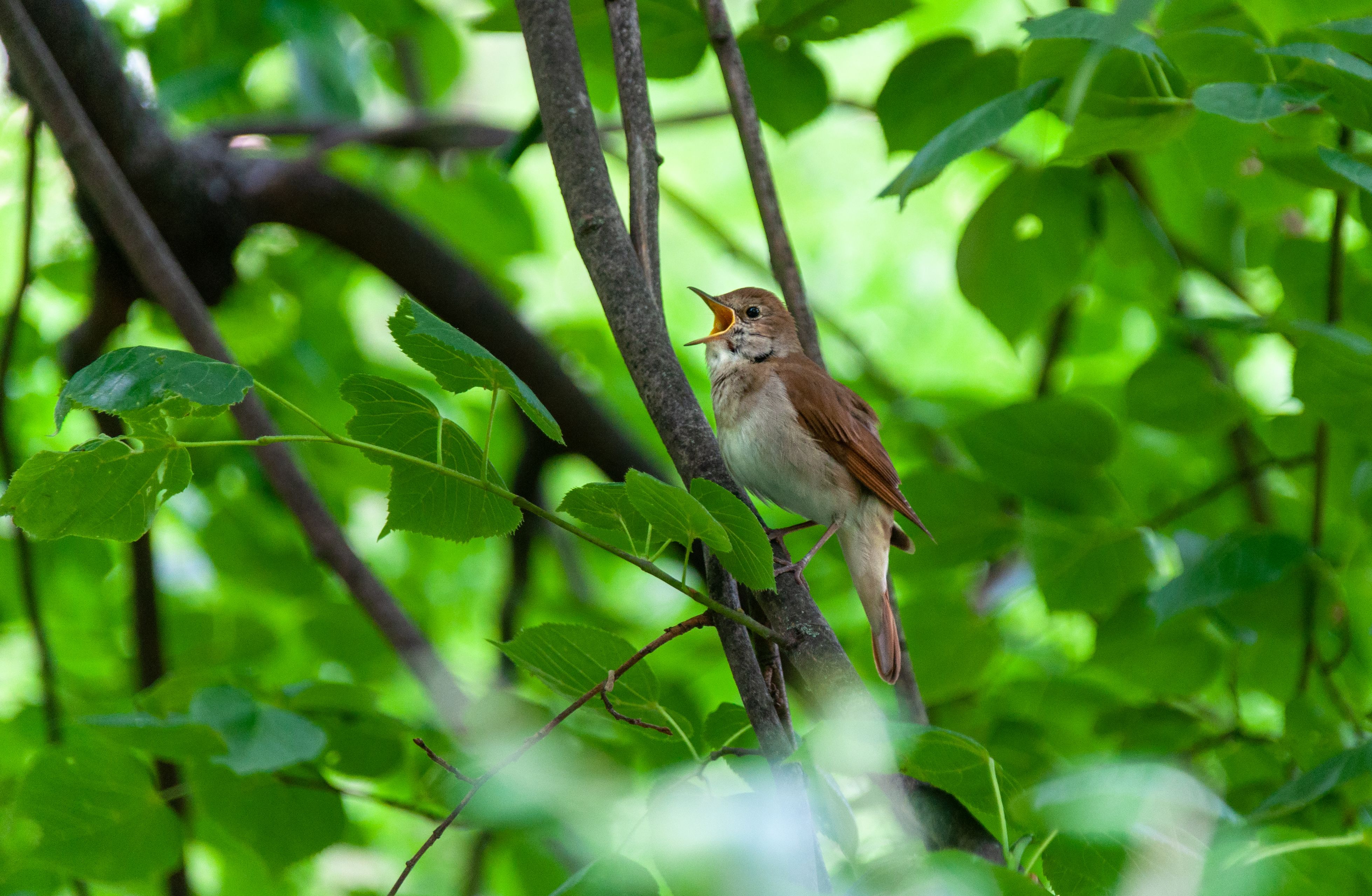
Why “Nightingale”?
Ukrainian is affectionately called “the nightingale’s language.” Here is what that means — and why we borrowed the little bird’s name.
The nightingale’s language
Ukrainians lovingly call their language солов’їна мова — “the nightingale’s language.” The name honors its melodiousness: Ukrainian is unusually rich in vowels, and a set of euphony rules called милозвучність (mylozvuchnist) gently balances vowels and consonants so speech flows like song. Even small words shift shape — і/й, у/в, з/із — just to keep the sound smooth and singing.
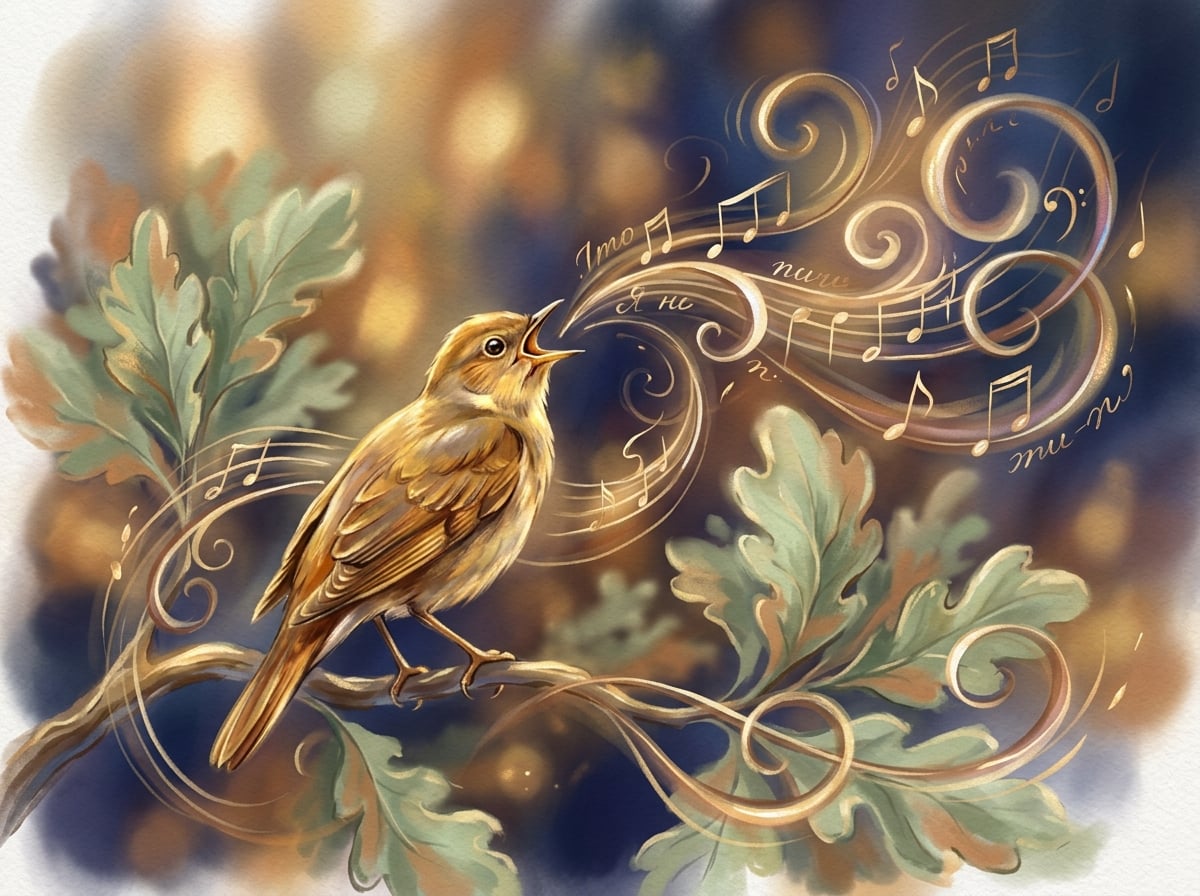
A bird woven through folklore
The nightingale — соловейко — is one of the most beloved figures in Ukrainian folklore. It is a herald of spring, a builder of homes, and a maker of sweet sound. Its very name is used as a term of endearment, and legend says nightingales come to Ukraine to listen to the songs of its people. It carries the full range of feeling: joy and longing, love and quiet melancholy.
The poet’s nightingale
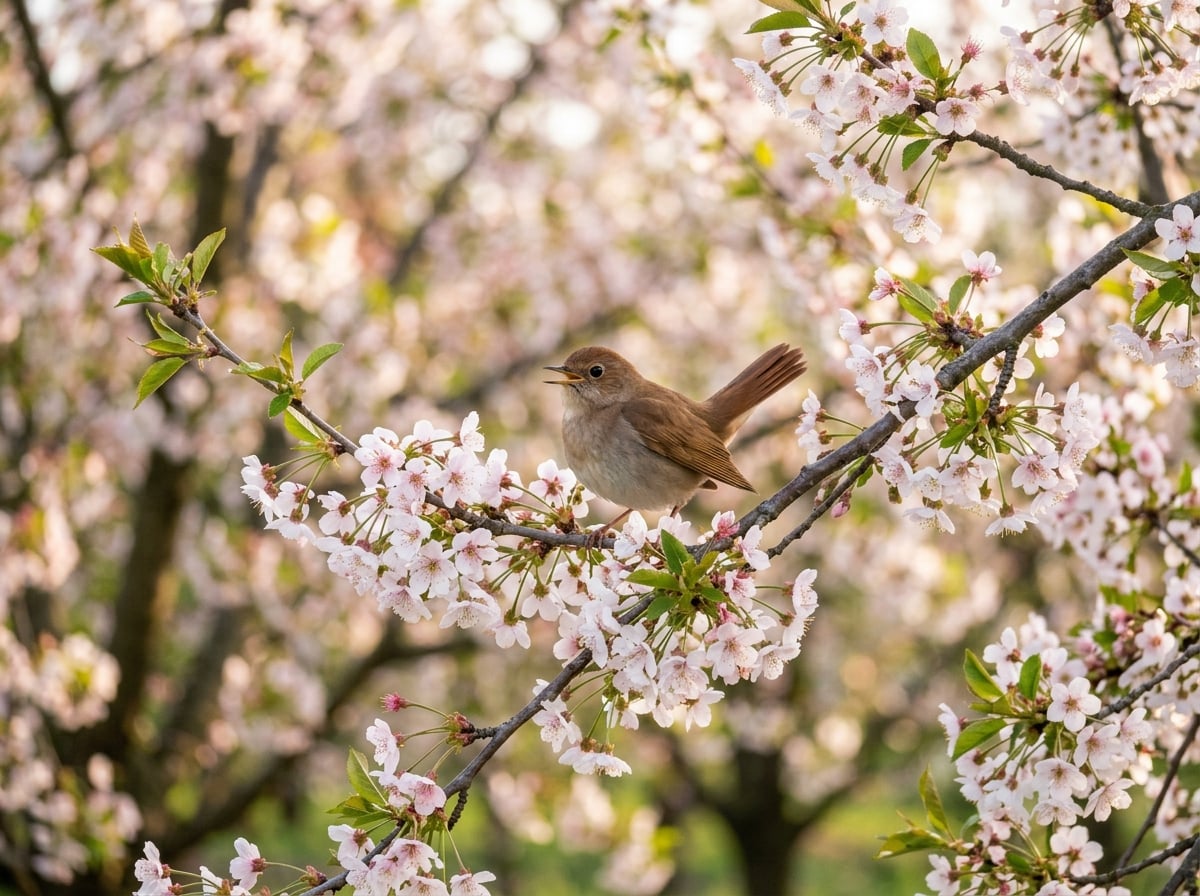
Taras Shevchenko — the “Kobzar” and father of modern Ukrainian literature — wove the nightingale into his most tender verse. In his 1847 poem “A Cherry Orchard by the House,” the bird becomes the sound of home itself, singing on when all else falls quiet.
“All grew still… only the girls / and the nightingale did not fall silent.”
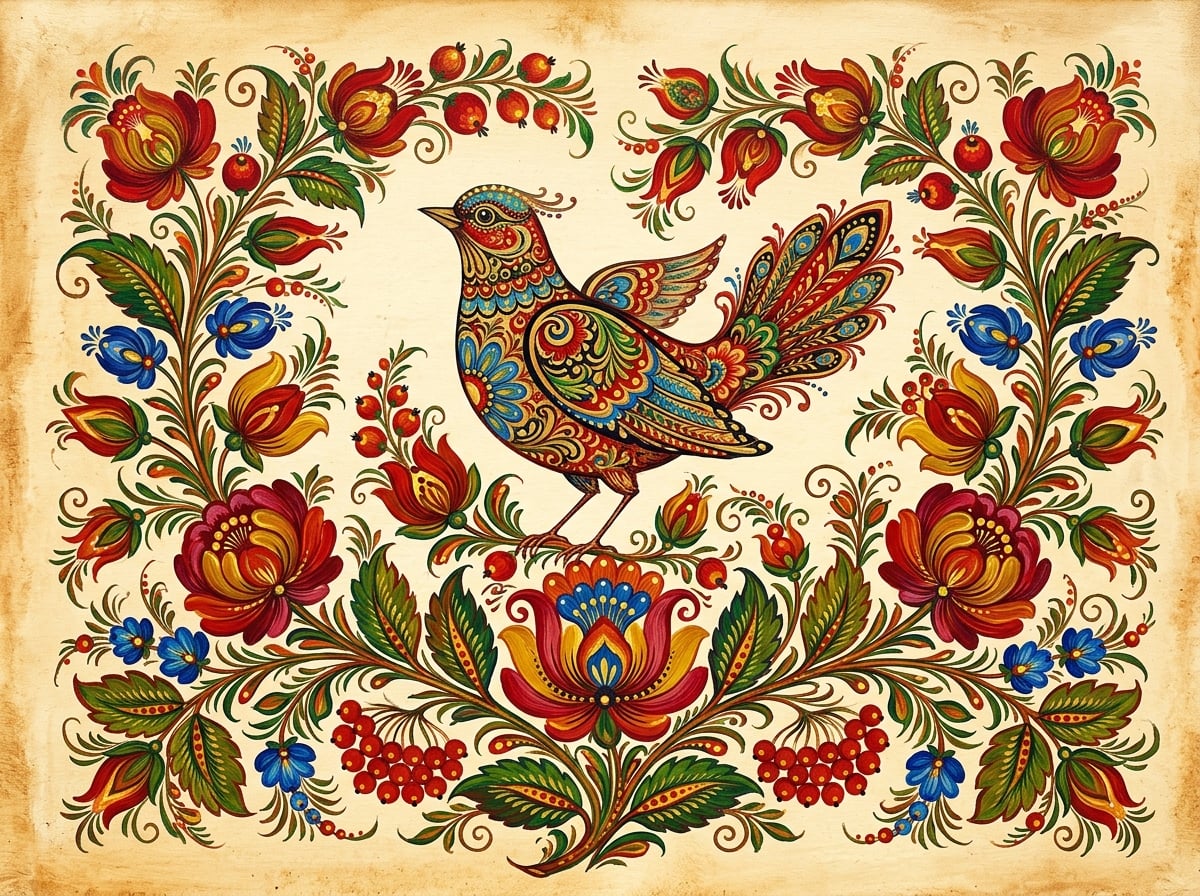
Through the ages in art
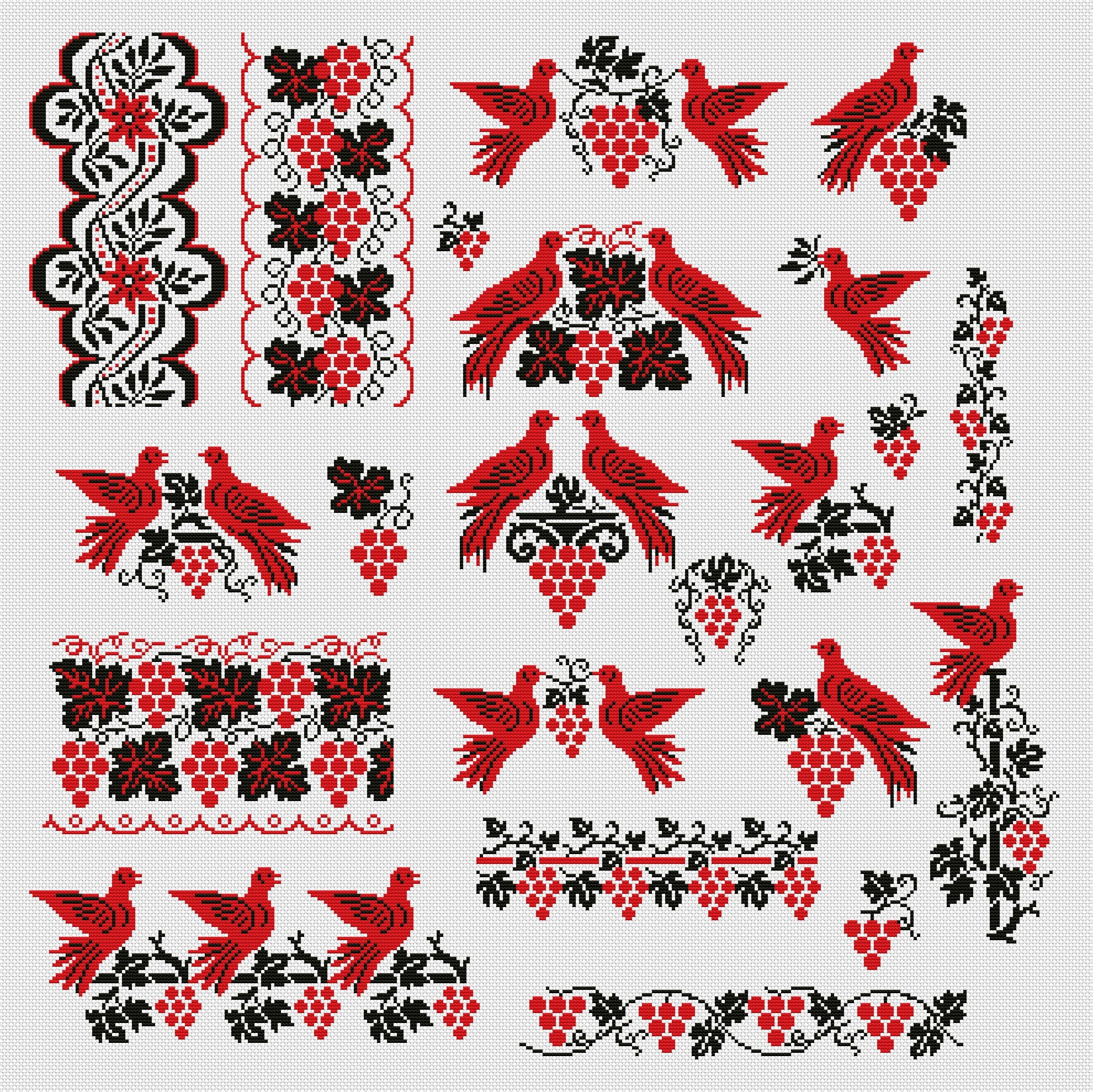
From ornate Petrykivka folk painting to the red-and-black threads of the vyshyvanka, the nightingale has flown through Ukrainian decorative art for generations — a small brown bird carrying a whole culture’s love of beauty and song.
Why we chose the name
We named this app Nightingale because that is exactly what it hopes to do: carry the warmth, music, and soul of Ukrainian across to English — and back again — without losing the song. Every translation tries to honor the солов’їна мова.